Start Your Project

Start with schools. Choose books. Deliver dictionaries.

A Dictionary Project lets individuals, schools, clubs, businesses, and community organizations give students their own personal dictionaries to keep and use at school and at home.

project /prΓ€-jekt/ noun

A local effort to place dictionaries directly into students' hands, often during third grade, when students move from learning to read toward reading to learn.

How the Dictionary Project works

A sponsor identifies a school or community, selects dictionaries, places an order, and presents the books during a classroom or community event. Many sponsors personally hand dictionaries to students, which makes the experience more memorable.

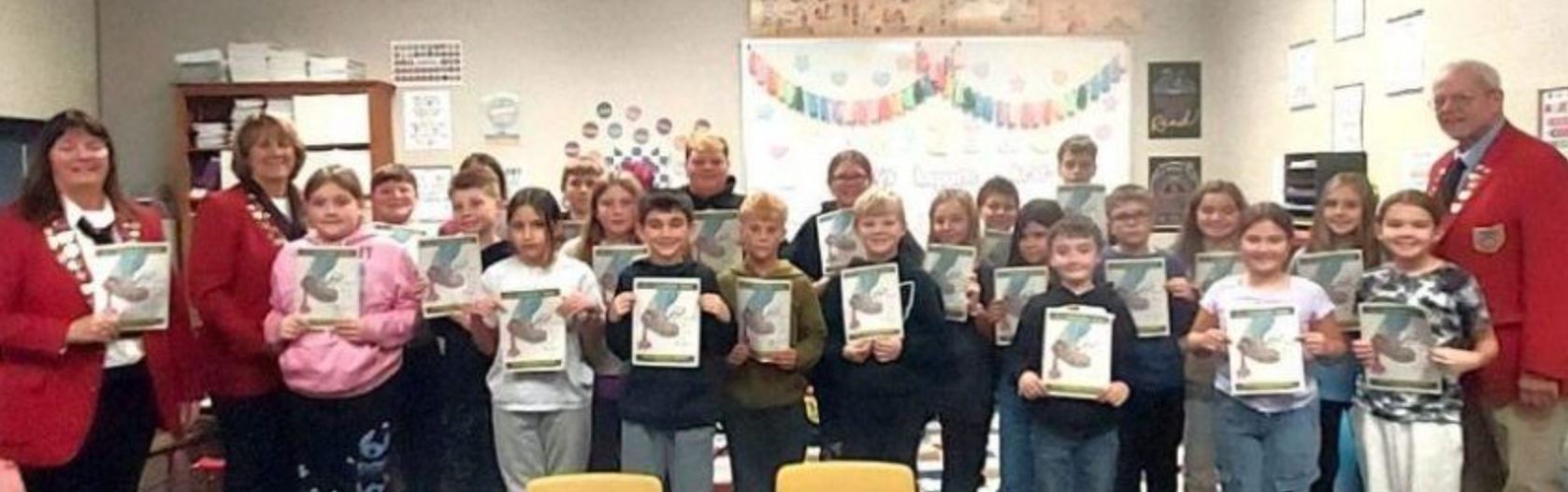
Students and sponsors holding dictionaries
Example: sponsors deliver books directly to students and make the presentation part of the gift.

Project Roadmap

One clear path from idea to delivery.

Use this as the main project checklist. Each step points to the tools below.

1

Find schools

Start with local elementary schools, teachers, literacy organizations, youth groups, or underserved communities. School staff can help confirm grade level, student count, delivery timing, and which books fit best.

Ask the school: How many students need dictionaries? Which grade level? Would bilingual or specialty editions help?
Use school letters β†’
Sponsor group with students
Reach out, coordinate, and confirm student count.
2

Choose dictionaries

Pick the books that fit your students and budget. Use the book finder below to compare traditional student dictionaries, bilingual dictionaries, specialty editions, and sample kits.

Tip: Sample kits help schools compare editions before a full order.
Open Order Books β†’
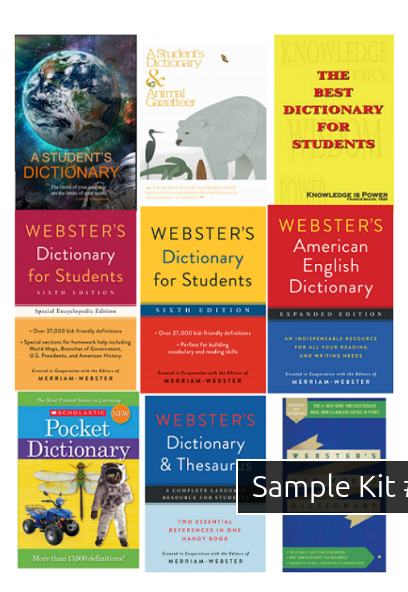
Dictionary sample kit covers
Compare books before committing.
3

Order and personalize

Place the order, plan shipping, and prepare optional book labels. Sponsors often add a label inside each book to show who made the donation possible.

Label idea: "This dictionary was donated by ________ to help you read, write, and learn."
View label examples β†’
Open book icon
Personal touches make the book feel like a gift.
4

Deliver and celebrate

Plan a short, positive classroom visit. Introduce your group, explain what a dictionary is, help students write their names inside, and play a quick dictionary game.

Keep it simple: 10 to 15 minutes is enough for most classroom presentations.
Use Distribution Day guide β†’
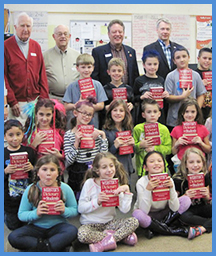
Students holding dictionaries
The best part is seeing students receive their own books.

Order Books

Ready to choose books?

The project guide explains the process. The ordering tools now live in their own Bookshelf-style area so this page stays focused on how to plan a project.

Open Order Books β†’

Helpful Tools

Resources that make the project easier.

βœ‰

School Letters

Use templates for superintendents, principals, and parents when introducing the project.

Open letters β†’
🏷

Book Labels

See label examples and printing options for placing a donor note inside each book.

Open labels β†’
🎲

Activity Ideas

Make Distribution Day memorable with short explanations, lookup games, and classroom prompts.

Open activities β†’

Distribution Day

Make the presentation simple and meaningful.

Tell students you are interested in their education and want to see them succeed. Then show them how to use their new dictionary.

  • Check in at the school office.
  • Introduce your organization and why you care.
  • Ask students to write their names inside the book.
  • Look up one word together as a class.
  • Play a quick dictionary race or sentence game.

What if books are left over?

Extra dictionaries can help ESOL programs, adult literacy programs, homeschool groups, correctional education programs, or future students arriving later in the year.

Read the full guide β†’

Ready?

You can place the power of words directly into students' hands.

Order Books